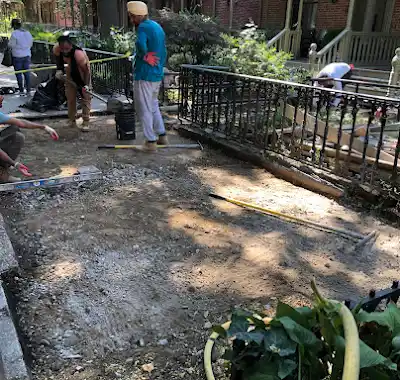
A sidewalk is an important part of any property in Queens, providing a safe path for pedestrians and maintaining the appearance of the surrounding area. When a sidewalk becomes cracked, uneven, broken or otherwise unsafe, the property owner may receive a Notice of Sidewalk Violation from the New York City Department of Transportation (NYC DOT). Understanding what to do after receiving this notice can help property owners address the problem before it creates additional complications.
Sidewalk violation removal Queens requires more than simply repairing a damaged section of concrete. Property owners must identify the defects listed in the violation, arrange the required repairs, obtain the appropriate permit and request a dismissal inspection after the work is completed. NYC DOT generally gives property owners 75 days after receiving a Notice of Sidewalk Violation to make the required repairs.
What Is a Sidewalk Violation in Queens?
A sidewalk violation is an official notice issued by NYC DOT when an unsafe or defective sidewalk condition is identified. The notice informs the property owner that repairs are required to bring the sidewalk into an acceptable condition.
Common problems can include cracked concrete, broken sidewalk flags, uneven surfaces, trip hazards or sections that have become unstable. The violation remains on record until NYC DOT receives confirmation that satisfactory repairs have been completed and the violation has been dismissed.
A sidewalk violation does not carry a separate fine simply because the notice was issued. However, ignoring the violation can lead to the City arranging the necessary repairs and billing the property owner for the work. An unresolved violation can also complicate the sale or refinancing of a property.
What Causes Sidewalk Violations in Queens?
Sidewalk damage can develop for several reasons. Queens properties experience changing weather conditions, pedestrian traffic, tree root growth, water exposure and normal deterioration over time. Even a relatively small defect can eventually become a safety concern.
Cracked Sidewalk Sections:- Concrete can develop cracks because of age, temperature changes, ground movement or repeated use. Small cracks may become larger when water enters the surface and freezes or when the surrounding soil shifts.
Uneven or Raised Sidewalks:- A sidewalk can become uneven when sections of concrete settle or when tree roots push upward from below. Raised sections may create trip hazards for pedestrians and can become a reason for an NYC DOT violation.
Broken or Missing Sidewalk Flags:- Sidewalks are divided into sections commonly referred to as flags. Damaged or missing sections may need to be replaced rather than simply patched. NYC DOT requires property owners to address the defective sidewalk areas identified in the Preliminary Inspection Report.
Tree Root Damage:- Tree roots can grow beneath concrete and cause sections of a sidewalk to lift, crack or become uneven. Tree-related sidewalk defects may require coordination with the appropriate City agency in addition to the concrete repair.
Water and Drainage Problems:- Poor drainage and repeated exposure to water can contribute to concrete deterioration. Water can enter cracks and weaken the surrounding material over time, making existing sidewalk problems worse.
What Should You Do After Receiving a Sidewalk Violation?
The first step is to carefully review the Notice of Sidewalk Violation and the Preliminary Inspection Report (PIR). The report identifies the sidewalk areas that were marked during the City’s inspection.
Property owners should compare the report with the actual sidewalk. Check the location of the damaged areas and make sure the property information, dimensions, trees, utility covers, cellar doors and other features correspond with the property. This can help determine whether the notice accurately identifies the defective areas.
If the listed defects are present, the next step is to arrange the required repair work. If the property owner believes the violation is incorrect, NYC DOT provides a process for requesting a re-inspection.
How to Remove a Sidewalk Violation in Queens?
Removing a sidewalk violation generally involves several important steps. Completing the repair alone does not automatically remove the violation from City records.
1. Review the Violation Notice
Start by reviewing the Notice of Sidewalk Violation and Preliminary Inspection Report. Identify every sidewalk section marked for repair and understand what defects need to be corrected.
If multiple violations have been issued for the same property, it is important to determine which notice is currently applicable. NYC DOT states that the newest violation supersedes previous notices.
2. Arrange a Professional Sidewalk Inspection
Before beginning repairs, have the affected sidewalk properly evaluated. A professional can identify the damaged areas, determine the scope of work and help ensure the proposed repair addresses the conditions identified by NYC DOT.
This step is particularly useful when the sidewalk has several problems or when damage involves tree roots, drainage, utility covers or other structures.
3. Hire a Qualified Contractor
Property owners who agree with the violation should hire a properly licensed contractor to perform the sidewalk repair. NYC311 advises property owners to use a contractor licensed by the Department of Consumer and Worker Protection (DCWP).
The contractor should understand NYC sidewalk requirements and the permitting process. Choosing a contractor based only on the lowest price can create problems if the repair does not satisfy DOT requirements.
4. Obtain the Required Permit
Sidewalk repairs generally require a Sidewalk Construction Permit. The contractor should handle the necessary permit requirements before beginning the work.
A permit does not extend the 75-day period for addressing the violation. Property owners should therefore begin the process early enough to allow time for permitting, repairs and the final inspection.
5. Complete the Required Repairs
The contractor should repair all defects identified in the violation and follow applicable NYC DOT sidewalk specifications.
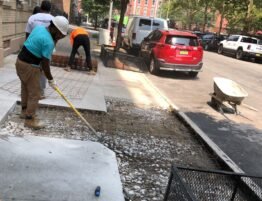
Depending on the condition of the sidewalk, the work may involve removing damaged concrete, preparing the base, replacing sidewalk sections, correcting uneven areas and installing required expansion joints.
The goal should be to correct the complete defective area rather than simply cover visible damage with a temporary patch.
6. Request a Dismissal Inspection
After the repairs have been completed, the property owner must request a Sidewalk Violation Dismissal Inspection. NYC DOT sends an inspector to verify that the required work has been satisfactorily completed.
When requesting the inspection, property owners should have information such as the permit number, property address, block and lot number, violation number and owner contact information available.
The entire sidewalk should also be visible so that the inspector can properly evaluate the completed work.
How Long Do You Have to Fix a Sidewalk Violation in Queens?
NYC DOT generally gives property owners 75 days to make repairs after receiving a Notice of Sidewalk Violation. The 75-day period begins when the notice is received, based on the certified mail receipt or from the posting date when the notice is posted on the property.
Property owners should not wait until the final days to contact a contractor. Obtaining a permit, scheduling construction, completing the work and arranging a dismissal inspection all take time.
Even when weather affects construction schedules, property owners should begin arranging the work as soon as possible. NYC DOT notes that contractors should be scheduled to perform repairs as weather permits.
What Happens If You Ignore a Sidewalk Violation?
Ignoring a sidewalk violation can lead to additional problems for a property owner. If the required repairs are not completed within the applicable period, NYC DOT may perform the work itself or arrange for a contractor to complete the repairs.
The Department of Finance can then bill the property owner for the cost of the City-arranged repair. NYC DOT also notes that an unresolved violation may complicate the sale or refinancing of a property.
For this reason, property owners should address the notice promptly instead of assuming that the violation will disappear on its own.
Can You Challenge a Sidewalk Violation in Queens?
Yes. If the defects identified in the Notice of Sidewalk Violation do not match the actual condition of the sidewalk, a property owner may request a re-inspection.
NYC DOT states that a re-inspection request must generally be made within 75 days of receiving the violation. A different inspector conducts the second inspection without access to the original inspection report.
Property owners should carefully compare the Preliminary Inspection Report with the actual property before requesting a re-inspection. If the property information or marked defects appear incorrect, the issue can be raised through the City’s sidewalk violation appeal process.
What Happens During a Sidewalk Violation Dismissal Inspection?
The dismissal inspection is an important final step in the violation removal process. After the repair has been completed, an NYC DOT inspector evaluates the sidewalk to determine whether the required work was satisfactorily completed.
The property owner should make sure that the repaired areas are accessible and visible. Any remaining defects can prevent the violation from being dismissed and may require additional work.
A contractor familiar with NYC sidewalk requirements can help property owners prepare the area properly before the inspection.
Why Is Professional Sidewalk Repair Important?
Professional repair is important because correcting a sidewalk violation involves more than making the surface look better. The work must address the defects identified by NYC DOT and comply with applicable sidewalk requirements.
An experienced contractor can assess the damaged areas, coordinate permitting, complete the required concrete work and help prepare the property for the dismissal inspection.
Proper repair can also reduce the likelihood of recurring problems caused by unstable concrete, poor installation, drainage issues or other underlying conditions.
How Can Queens Property Owners Prevent Future Sidewalk Violations?
Regular inspection and maintenance can help property owners identify sidewalk problems before they become serious.
Look for cracks, raised sections, loose concrete, damaged joints, water-related deterioration and changes caused by tree roots. Small defects should be evaluated early rather than allowing them to develop into larger safety concerns.
Property owners should also keep records of completed sidewalk repairs and permits. If new damage appears after a repair, addressing it quickly can help protect the condition of the sidewalk and reduce the risk of another violation.
Conclusion
Receiving a sidewalk violation can be stressful for Queens property owners, but understanding the process makes it easier to take the right steps. The first priority is to review the Notice of Sidewalk Violation and determine exactly what needs to be corrected.
From there, property owners should arrange qualified sidewalk repairs, obtain the necessary permit, complete all required work and request a dismissal inspection. NYC DOT generally provides 75 days to address a violation, so delaying the repair process can create unnecessary complications.
For sidewalk violation removal Queens, working with a contractor who understands NYC sidewalk requirements can help property owners move from the initial violation to completed repairs and dismissal in a more organised way.