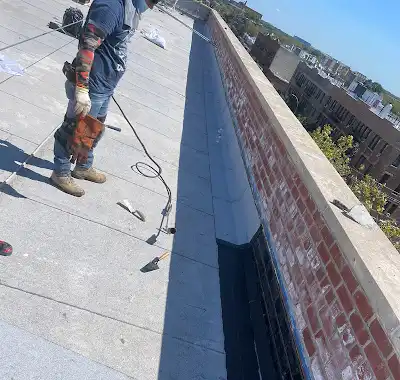
Roofs play an essential role in protecting residential, commercial and multifamily buildings throughout Queens. A properly maintained roofing system helps prevent water intrusion, protects the building structure and supports comfortable indoor conditions. However, continuous exposure to rain, snow, strong winds, temperature fluctuations and moisture can gradually affect roofing materials and cause different types of damage.
Roof leaks, damaged flashing, standing water, deteriorating roof surfaces and drainage problems are some of the common issues that property owners may experience. If these conditions are ignored, even relatively minor roofing defects can allow moisture to enter the building and contribute to interior damage, insulation problems and deterioration around exterior walls.
Whether you own a residential property in Astoria, a multifamily building in Flushing or a commercial property in Jamaica, identifying roofing problems early can help prevent more extensive repairs. Working with experienced roof repair contractors Queens property owners can rely on also helps ensure that roofing concerns are properly evaluated and addressed. This guide explains common roofing problems, their causes, professional repair solutions and practical maintenance measures for Queens properties.
Why Do Roofing Problems Develop in Queens Buildings?
Roofing systems are continuously exposed to environmental conditions that can gradually affect their performance. In Queens, seasonal weather changes, moisture exposure and ageing materials can contribute to roofing deterioration.
Rainwater is one of the primary concerns. When roofing materials develop cracks, gaps or damaged connections, water can enter beneath the roof surface and affect the underlying layers. If the problem continues, moisture may spread into ceilings, insulation and surrounding building materials.
Winter conditions can create additional challenges. Water entering small openings may freeze and expand when temperatures drop, placing pressure on already weakened roofing components. Repeated freezing and thawing can gradually enlarge cracks and affect roof surfaces.
Other contributing factors include:
- Ageing or deteriorating roofing materials
- Improper roof installation or previous repairs
- Damaged flashing around roof openings
- Blocked roof drains and drainage systems
- Poor water runoff and standing water
- Loose roofing materials caused by wind exposure
- Deteriorating sealants around roof connections
Regular roof inspections can help identify these issues before they develop into more extensive problems.
What Are the Common Roofing Problems Affecting Queens Properties?
Several roofing conditions can indicate that a building needs professional evaluation. Understanding these problems helps property owners recognise potential damage and determine when repairs may be necessary.
1. Roof Leaks and Water Penetration
Roof leaks are among the most common problems affecting residential and commercial buildings. Water may enter through damaged roofing materials, deteriorated flashing, open seams or gaps around roof penetrations.
Initially, a leak may appear as a small water stain on a ceiling or wall. However, the actual entry point can be located some distance away from where the moisture becomes visible indoors.
Property owners should pay attention to:
- Water stains on ceilings
- Damp patches near exterior walls
- Peeling paint and damaged plaster
- Dripping water after rainfall
- Recurring moisture around roof openings
Identifying the actual source of a leak is important because repairing only the visible interior damage will not prevent water from entering again.
2. Cracked or Deteriorating Roofing Materials
Roofing materials can gradually lose their protective properties because of age, weather exposure and repeated temperature changes.
Cracks, splits, loose sections and deteriorated surfaces can create openings through which rainwater may penetrate. The extent of damage depends on the roofing material, its condition and the amount of exposure.
A professional inspection can help determine whether the affected area requires localised repairs, replacement of damaged materials or more extensive restoration.
3. Damaged or Loose Roof Flashing
Flashing is installed around important roof transitions and openings to help direct water away from vulnerable areas. It is commonly found around chimneys, vents, roof edges, parapet walls and other connections.
When flashing becomes loose, cracked or improperly sealed, water can enter through these areas even when the surrounding roofing surface appears to be in reasonable condition.
Common warning signs include:
- Visible gaps around flashing
- Rust or corrosion on metal components
- Loose flashing edges
- Deteriorated sealants
- Water stains near roof transitions
Flashing problems should be evaluated carefully because recurring leaks may continue if the underlying connection is not properly repaired.
4. Standing Water on Flat Roofs
Flat roofing systems require appropriate drainage to prevent excessive water accumulation. When drains become blocked or the roof surface develops low areas, rainwater may remain on the roof for extended periods.
Standing water can place additional stress on roofing materials, seams and waterproofing layers. Over time, repeated water exposure may contribute to membrane deterioration and leakage.
Property owners should look for:
- Water remaining after rainfall
- Blocked roof drains
- Depressions in the roof surface
- Damaged membrane seams
- Moisture appearing below the roof
Depending on the condition of the roofing system, professional solutions may involve drainage improvements, membrane repairs or additional waterproofing work.
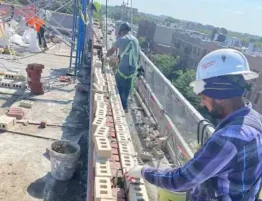
5. Damaged Roof Edges and Parapet Walls
Roof edges and parapet walls are important areas of a building’s exterior protection. These sections are exposed to rain, wind and temperature fluctuations, which can gradually affect masonry, coping materials and roof connections.
Cracked masonry, deteriorating mortar joints, loose coping stones and damaged flashing may create pathways for water penetration.
Property owners should pay attention to:
- Cracks along parapet walls
- Loose or damaged coping stones
- Deteriorating mortar joints
- Gaps between roofing materials and masonry
- Water stains near the roofline
When damage involves the parapet structure, an appropriate assessment and repair approach are important. Professional parapet repair services in NYC can help address deteriorated masonry and related roofline concerns.
6. Blocked or Ineffective Roof Drainage
A properly functioning drainage system helps remove rainwater from the roof and direct it away from vulnerable building areas. When drains, gutters or downspouts become blocked, water may accumulate or flow toward areas where it can cause damage.
Leaves, dirt, debris and other materials can restrict drainage and contribute to recurring water problems.
Common indications include:
- Water pooling around roof drains
- Overflowing gutters
- Slow water drainage
- Moisture around roof edges
- Water stains on exterior walls
Keeping drainage systems clear and addressing damaged drainage components can help reduce unnecessary moisture exposure.
7. Moisture Damage Around Roof Openings
Roof openings and transitions require proper sealing to limit water entry. Areas around vents, skylights, chimneys and mechanical equipment can become vulnerable when flashing or sealants deteriorate.
Water entering through these connections may move beneath roofing materials before appearing inside the property.
Repeated moisture near these locations should not be treated as a simple surface issue. A professional evaluation can help determine whether the problem involves flashing, sealants, roofing materials or surrounding construction.
8. Interior Dampness and Recurring Water Stains
Interior moisture can sometimes indicate an underlying roofing problem. Damp ceilings, peeling paint, discoloured surfaces and recurring stains may develop when water enters through damaged roof components.
However, not every interior moisture problem originates from the roof. Exterior masonry, windows, plumbing and other building components may also contribute to water penetration.
For this reason, the source should be investigated rather than assuming that the visible damage identifies the exact entry point.
How Queens Weather Can Affect Roofing Systems
Buildings throughout Queens experience changing weather conditions throughout the year. Rain, snow, freezing temperatures, summer heat and strong winds can place continuous stress on roofing materials and their connections.
During winter, moisture that enters small openings may freeze and expand. Repeated freeze-thaw cycles can gradually enlarge cracks and weaken existing roofing components.
Heavy rainfall can also expose problems with roof drainage. If drains are blocked or the roof surface does not allow water to flow properly, standing water may develop and increase exposure around seams and vulnerable connections.
During warmer months, roofing materials may expand and contract as temperatures change. Over time, these movements can affect joints, sealants and flashing connections.
Regular maintenance and timely repairs can help property owners identify weather-related deterioration before it leads to more extensive roofing problems.
What Problems Can Occur If Roof Damage Is Ignored?
Roofing damage should not be treated as a minor maintenance concern, particularly when water is entering the building.
When damaged roofing materials, flashing or drainage components remain unrepaired, moisture can gradually affect other parts of the property.
Potential consequences include:
- Water damage to ceilings and interior walls
- Deterioration of insulation materials
- Persistent dampness and moisture problems
- Damage to surrounding masonry
- Deterioration of roof decking and supporting materials
- Recurring leaks and interior staining
- Increased repair requirements
Water penetration can also affect exterior masonry when moisture travels through roof edges, parapet walls or surrounding joints. Property owners experiencing related brick deterioration may benefit from understanding the signs a Queens building needs brick pointing.
Addressing the source of moisture is important for preventing recurring damage and protecting the overall building envelope.
How Do Professionals Evaluate Roofing Problems?
A professional roof inspection should focus on identifying the source and extent of the damage rather than simply repairing the most visible defect.
The inspection process generally involves examining the roof surface, drainage components, flashing connections, roof edges and other vulnerable areas. The assessment may also consider interior signs of moisture to help understand how water is entering the building.
Professionals may evaluate:
- Overall condition of roofing materials
- Cracks, splits and damaged roof sections
- Flashing around roof openings
- Condition of roof seams and joints
- Drainage systems and roof drains
- Standing water and surface depressions
- Parapet walls and roof edges
- Sealants around roof transitions
- Signs of interior water penetration
- Areas requiring additional waterproofing
The purpose of the inspection is to determine whether the property requires localised roof repairs, drainage improvements, waterproofing or more extensive restoration.
When Should You Contact Roof Repair Contractors in Queens?
Not every roofing defect requires complete roof replacement. However, certain conditions should be evaluated promptly to prevent further deterioration.
Property owners should consider professional assistance when they notice:
- Recurring roof leaks after rainfall
- Visible cracks or damaged roofing materials
- Loose or deteriorated flashing
- Standing water on flat roofing systems
- Damaged roof edges or parapet walls
- Interior ceiling stains or dampness
- Repeated failure of previous roof repairs
- Blocked or damaged drainage components
- Moisture around vents and other roof openings
Experienced roofing professionals can assess the condition of the roof, identify the underlying issue and recommend a suitable repair approach. Trice Restoration Inc. provides roofing services for residential and commercial properties in NYC, including roof repair, installation and maintenance.
How Can Property Owners Help Prevent Roofing Problems?
Regular maintenance is one of the most effective ways to protect roofing systems and reduce the likelihood of unexpected damage.
Property owners should periodically examine accessible roof areas and monitor changes in roofing materials, drainage components and interior surfaces.
Helpful maintenance practices include:
- Scheduling regular professional roof inspections
- Keeping roof drains and gutters clear
- Checking visible flashing and sealants
- Monitoring areas where water collects
- Addressing small leaks promptly
- Inspecting roof edges and parapet walls
- Checking for loose or deteriorating materials
- Reviewing previous repair areas
- Investigating recurring interior moisture
When moisture protection is a concern, appropriate waterproofing services in NYC can also help address vulnerable building areas. The correct solution should depend on the source of water entry and the condition of the affected materials.
Routine maintenance cannot prevent every roofing problem, but it can help identify developing defects before they require more extensive restoration.
Why Professional Roof Repair Matters?
Roof repair involves more than covering visible cracks or applying sealant to a damaged area. The underlying cause of the problem must be identified to help prevent recurring leaks and further deterioration.
For example, repairing a roof leak without addressing damaged flashing may not provide a lasting solution. Similarly, applying new waterproofing materials without evaluating drainage conditions may leave the original problem unresolved.
Professional roofing work may involve:
- Identifying the actual source of water penetration
- Evaluating damaged roofing materials
- Repairing or replacing defective flashing
- Addressing drainage-related concerns
- Restoring damaged roof sections
- Evaluating roof edges and transitions
- Recommending suitable waterproofing solutions
For flat roofing systems, flat roof waterproofing solutions may be appropriate when membrane deterioration, water penetration or other moisture-related issues are identified.
The repair method should always be based on the roofing material, the extent of deterioration and the specific conditions of the property.
DIY vs. Professional Roof Repair
| DIY Roof Repair | Professional Roof Repair |
| May focus on visible damage | Evaluates the overall roofing condition |
| Limited ability to identify hidden leaks | Investigates possible water entry points |
| May use general repair materials | Selects materials suitable for the roofing system |
| Can overlook flashing and drainage problems | Examines vulnerable connections and drainage |
| May provide a temporary solution | Recommends repairs based on site conditions |
| Limited assessment of surrounding structures | Considers related roof and building components |
Minor maintenance, such as keeping accessible drainage areas clear, may be manageable for property owners. However, roof inspections and repairs involving heights, damaged materials, flashing or structural components should be handled by qualified professionals.
Conclusion
Roofing systems protect Queens properties from rain, snow, wind and other environmental conditions, but continuous exposure can gradually lead to leaks, damaged flashing, drainage problems and deteriorating roof materials. Recognising these warning signs early can help property owners prevent moisture from spreading into ceilings, walls, insulation and surrounding building components.
Regular inspections, appropriate maintenance and timely repairs are important for maintaining the condition of residential and commercial roofing systems. Whether the issue involves a recurring leak, damaged flat roofing, deteriorated flashing or water penetration around parapet walls, identifying the underlying cause is essential for selecting an effective repair solution.
If your property is experiencing roofing problems, working with experienced Roof Repair Contractors Queens property owners can trust can help determine the extent of the damage and the appropriate next steps. Trice Restoration Inc. provides professional roofing and building restoration services throughout NYC, helping property owners address roofing concerns and protect their buildings over time.