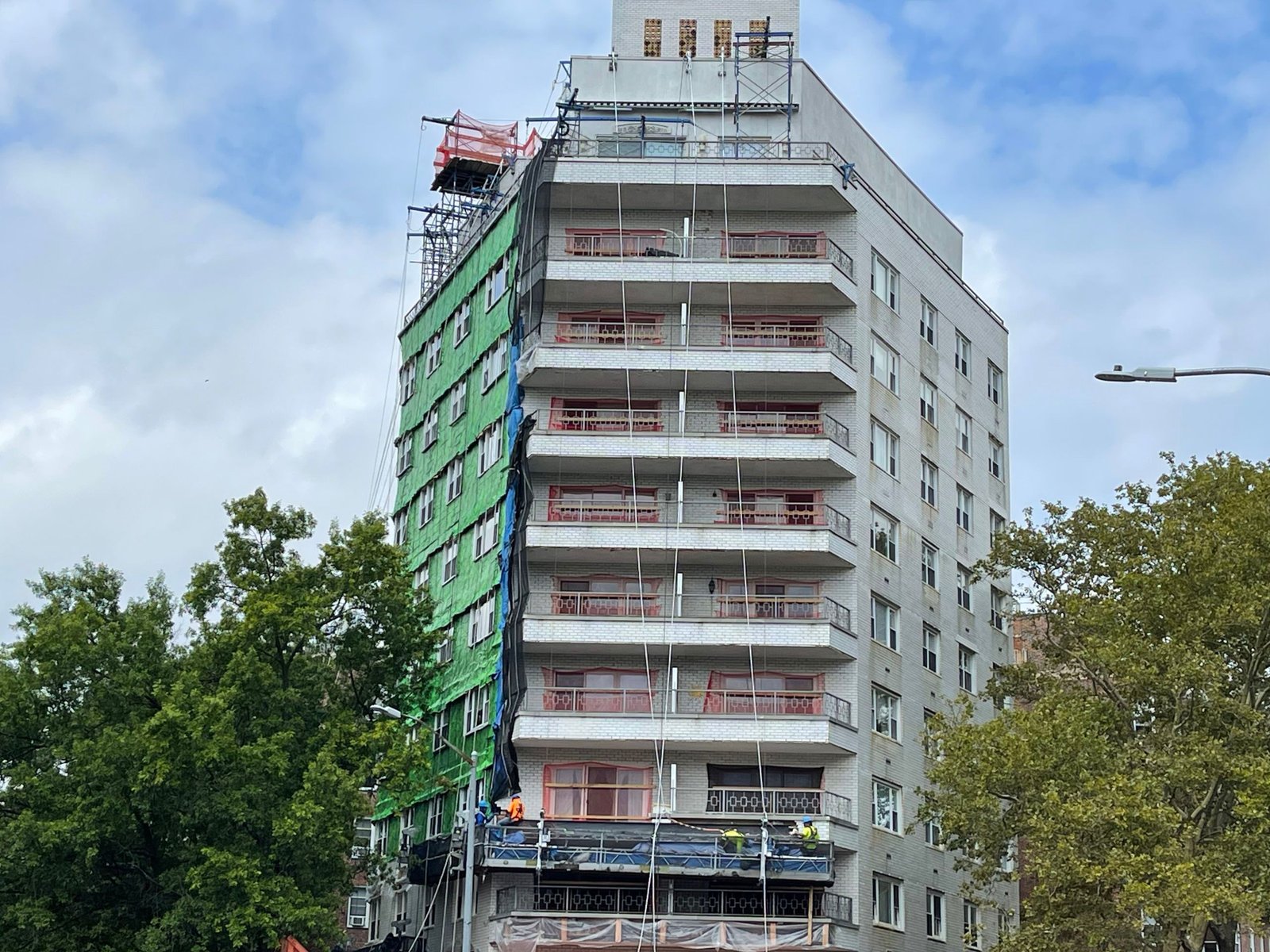
 Per adventure there is no damage to the outside structure of your building or dwelling. Nevertheless, bigger structural issues generally start where they can’t be seen. Minor cracks, sticking doors, or minor flooring feeling slightly uneven, are often overlooked. But these are early signs of a more profound structural situation that might eat up the safety of the entire property.
Knowing what costs, risk, and possible danger could ensue and knowing how to spot hidden structural problems at an early stage can turn out to be priceless. As the owner or manager of a residential or commercial property, awareness of the indicators of damage to the structure will be the first area of concern that would matter for the structure’s longevity and worth.
Assisting you every step of the way, this manual will identify warning signals of buildings in distress, obstacles concealed from view, reasons thereof and guidelines on when Emergency Building Repair Contractors should be contacted. This helps especially those looking for a reliable building repair contractor Queens.
What Does “Structurally Unsafe” Really Mean?
An unsound structure is a building where the key components, like the foundation, walls, beams, or load-bearing systems, have become weakened or are almost so. The integrity of construction involves the strength required to bear various safety factors, such as loads, environmental impact, and general use, to the extent that the building does not collapse under the bare stress or become deformed.
Once the integrity of these structural elements is compromised, the entire building structure becomes unstable. Over time, hairline cracks can morph into major problems such as wall collapse, foundation shifting, or sagging roofs.
Structural failures do not occur suddenly but develop progressively due to factors like ground readjustment, moisture damage, shoddy construction, or aging materials, which is why early detection is of the essence.
15 Warning Signs Your Building May Be Structurally Unsafe
1. Cracks in Walls, Ceilings, or Floors
Cracks are the most obvious and frequent indicators of structural issues. But all cracks are not equal in every respect.
Hairline cracks are usually non-threatening and most often the result of normal settling. However, any wide crack, especially one that is diagonal, zigzag, or even expanding over time, is a strong indication of underlying foundation concerns.
Instructions include, among other things:
- Cracks wider than 3mm
- Diagonal cracking near doors or windows
- Cracks that expand
These are usually symptomatic of a straining building structure and should never be taken for granted.
2. Doors and Windows That Stick or Won’t Close Properly
Your door or window may stick or jam without a reason or it may suddenly cease to close properly due to structural movements as opposed to a hardware issue.
When a building moves as a consequence of the settlement of its foundation or the deformation of walls, misalignment of the frame appears. It is but one of the early signs that indicate that something is hitting deep.
3. Uneven or Sagging Floors
Stability must be felt as he walks across the floor. Avoiding floors that slope or sag or give in slightly, as these denote structural damage to the construction.
Common causes of sagging floors include:
- Weak or damaged joists
- Home settling
- Water-inflicted rottenness to one or other of the subfloor materials
The quality of their construction is only part consumer satisfaction and is actually an issue of safety that can deteriorate over the years.
4. Bulging or Bowing Walls
Always make sure the walls are straight from the top to the bottom. Serious bulging, bows, or leaning would be a big red flag.
The movement arises largely as a result of:
- Increased pressure from the earth outside
- Stored water right behind the walls
- Insufficient structural support
If bowing walls vanish until and unless they are repaired, they can collapse at some point, making this the gravest symptom of a weakened system.
5. Gaps Between Walls, Floors, or Ceilings
Gaps visible where walls meet ceilings or floors is an indication of building movement.
These can be due to some problems like:
- Foundation movement
- Structural settling
- Poor attachment of components
Over time, even fine gaps can grow bigger, consequently leading to a complete structural weakling.
6. Water Damage and Dampness
One of the most harmful substances for building materials is water. Permanent dampness, mold, or water stains can weaken materials like wood, concrete, and steel.
Signs to be mindful of:
- Peeling paint and wallpaper
- Mold growth
- Damp patches on walls
Over time, moisture promotes rotting, rusting, and reduced load-bearing capacities.
7. Foundation Cracks
The foundation acts as a life-support system for any structure. The biggest problem is cracks in the foundation.
Cracks that pose a significant peril include:
- Horizontal cracks (high risk)
- Stair-step cracks in brickwork
- Wide vertical cracks
These are indicative of soil pressure, i.e., foundation movements, and must be addressed as such.
8. Roof Sagging
Roof sagging means structural stress problems like support beams weakness or loading at an extreme stress.
Common causes would be attributable to:
- A thorough understanding of water-related damage
- This matter of shoddy workmanship
- Extremely heavy loads (snow, etc.)
If not addressed in a timely manner, roof sagging can cause a building collapse.
9. Tilting Chimney
A leaning or cracked chimney is often a sign of foundation movement. Since chimneys are rigid structures, even slight shifts can cause visible tilting.
10. Separation of Exterior Walls
If the exterior walls refuse to stay in line with the building itself, you should take this as a signal that a severe structural issue is present.
Since this behavior is indicative of one or all of the following problems:
- A bad top construction
- Foundation problems
- Climatic conditions
11. Soft or Spongy Floors
Soft or bouncy floors automatically indicate a big issue of hidden structural damage posed by moisture, rot, or weak subfloor materials and they should be promptly addressed to prevent the worsening of its effect, jeopardizing the overall safety levels of the building.
Indicates moisture or water damage
- Caused by wood rot or weak subflooring
- Feels bouncy or uneven while walking
- Can lead to serious structural failure if untreated
12. Rusted Steel or Corroded Supports
Steel supports play a very important role in the structural stability of a building. Corrosion weakens these supports leading to their degradation, and ultimately, they may not hold too heavy a load over time.
- Corrodes faster in moist or muggy areas of a house
- Weakening of beams, columns, and reinforcements
- Deteriorates the structural integrity
- Requires immediate examination for assessment and treatment
13. Frequent Plumbing Leaks
Most of these leaks may cause structural damage in the long run. And the continual exposure to water tends to weaken the affected materials and affects the building’s foundation.
- Induction of moisture buildup inside walls and floors
- Beginning stages of wood rot and wear on concrete
- Bacterial and mildew growth
- Weakens the foundation gradually
14. Sudden Increase in Energy Bills
For instance, abnormal energy bills would signal a structural problem (cracks, gaps, insulation problems), allowing for air leakage that makes the AC system work twice as hard.
- Caused by cracks in walls or foundation
- Leading to heat loss or air leakage
- Lowering overall energy efficiency of the building
- Often related to undetected damage to the structure
15. Visible Structural Movement
Any movement at all inside a structure is a formidable warning sign that should never be ignored. It is a symptom of an active structural problem that necessitates immediate attention from an engineer.
- Includes shifting walls or expanding cracks
- Floors may tilt or move over time
- Doors and windows may misalign suddenly
- Signals urgent need for structural inspection
Hidden Structural Problems Most Property Owners Miss
When something is visible, it is easy to indicate it, however, there are many structural issues that do not manifest themselves for a very long time until serious damage has been caused.
However, if one knows how to spot hidden structural problems, it is an added advantage.
Hidden structural problems frequently include:
- Degradation of beams from the inside
- Settling of foundations blow ground level
- Damage to wooden parts by termites
- Seepage of water within walls
- Faulty construction materials
Sometimes these problems do not manifest themselves/these problems until they have occurred and therefore it is advisable to conduct regular checks.
What Causes Structural Damage?
structural problems do not appear out of the blue; they usually arise as the consequence of specific underlying problems.
Among them are:
- Soil Movement: Continuous swelling and shrinking of the soil move the foundation.
- Water Infiltration: Drainage too poor or a small hole causes the structural component to weaken.
- Poor Construction: Because of poor construction, materials or design, the structural component can easily fail.
- Aging Materials: Materials deteriorate over time.
- Excess Load: Exceeding the design weight might cause a strain on a structure.
When Should You Call Emergency Building Repair Contractors?
It is not essential to address every flaw or imperfection right away, though there are warning signals that should not be concluded as benevolent.
But a call to emergency building repair contractors will definitely be necessary if you suspect:
- Fast or sudden expansion of fatigue cracks
- Cracking or leaning or bulging walls
- Deformed roofs
- Extensive damage to the foundation
- The structure has moved unexpectedly
The longer the repairs are postponed, the more the cost as well as the risk involved increases.
Why Hiring a Professional Building Repair Contractor Matters?
It is crucial to employ a skilled building repair contractor Queens when there is a structural defect.
Experts offer:
- Comprehensive structural examinations
- Proper identification of defects
- Adherence to safe and proper repair techniques
- Enhancements to structural stability in the long term
Attempted repairs by amateurs or short–changing remedies may grossly exaggerate the damage.
The Cost of Ignoring Structural Problems
One of the costliest mistakes that a property owner can make is to disregard structural problems.
A minute crack can spread and rapidly escalate into:
- Major structural failure
- Expensive reconstruction
- Safety hazards for occupants
- Significant drop in property value
Intervention in an early stage is always relatively cheaper than intervention after major damage.
Preventive Maintenance Tips
It is always wise to prevent; when it comes to a building, etc.
How can you protect your building?
- Follow a systematic schedule for inspections.
- Maintain a proper system of drainage.
- This culture of recurrence in each case of leakage is eliminated by rapid repairs.
- Preserved structural integrity – don’t overburden.
- Insist on great quality designs and materials.
By regularly tending to your building, you lengthen its useful life and protect its stake in the company itself.
Conclusion
You cannot ignore or pretend that structural damage isn’t there. It is harder and more expensive to repair a structure the longer the warning symptoms are allowed to persist undetected.
Cracks, sagging floors, and even foundation problems that are out of sight, can all indicate an issue with the building. Learning how to spot hidden structural problems early and addressing them without delay helps in safeguarding the property, the finances and most importantly- lives.
Such signs should not be ignored. Call the qualified Emergency Building Repair Contractors or the best building repair contractor in Queens right away to come and fix or look at the situation before it gets out of hand.