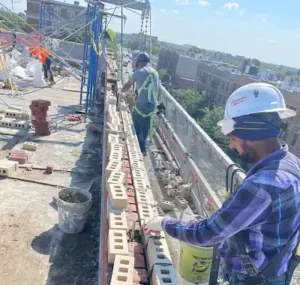
Parapet walls are important features of many residential and commercial buildings in New York City. These walls extend above the roofline and help protect the building from weather exposure while supporting the exterior masonry system. Over time, heavy rain, temperature changes, deteriorating mortar and damaged coping can weaken parapet walls and create safety concerns.
Understanding the professional repair process helps property owners prepare for the work, manage expenses and make informed maintenance decisions. From the initial inspection to waterproofing and final quality checks, every stage plays an important role in restoring the wall and preventing recurring damage.
Why Do Parapet Walls Need Professional Repairs?
Parapet walls are exposed to wind, rain, snow and seasonal temperature fluctuations. Without proper maintenance, these conditions can gradually damage masonry and allow moisture to penetrate the building envelope. Professional repairs address visible deterioration and the underlying problems responsible for it.
Weather Exposure and Water Penetration:- Water is a common cause of parapet wall deterioration. When rainwater enters cracks or unprotected joints, it can weaken mortar and damage surrounding masonry. During freezing weather, trapped moisture may expand and worsen existing cracks.
Cracked Mortar and Loose Bricks:- Mortar joints can deteriorate because of aging, moisture and temperature changes. As mortar crumbles, bricks may lose support and become unstable. Timely brick parapet repair helps restore masonry and reduce the risk of further deterioration.
Damaged Coping and Flashing:- Coping protects the top of a parapet wall by directing water away from the masonry. Damaged coping, defective flashing and poorly sealed joints can allow moisture to enter. Repairing these components helps protect the wall from continued water damage.
What Are the Signs Your Parapet Wall Needs Repair?
Recognising early warning signs helps property owners arrange repairs before minor defects become more serious.
Cracks and Deteriorating Mortar:- Cracked, missing or crumbling mortar can allow water to penetrate the wall. Widening cracks may indicate movement or deeper deterioration and should be assessed by a qualified professional.
Loose or Displaced Bricks:- Bricks that appear uneven, unstable or separated from surrounding masonry may require immediate attention. Loose materials can create falling-debris hazards, especially when the parapet faces a public sidewalk.
Water Leaks and Moisture Damage:- Damp patches, peeling paint and water stains near the roofline may indicate problems with flashing, coping or waterproofing. Identifying the source of moisture is essential for preventing recurring damage.
What Should Property Owners Expect During Professional Parapet Wall Repairs?
Professional parapet wall repair generally involves several stages. The exact process depends on the building’s condition, accessibility and the severity of the damage.
1. Initial Inspection and Damage Assessment
Contractors begin by examining the parapet wall, mortar joints, coping, flashing and surrounding masonry. They look for cracks, loose bricks, corrosion and signs of water penetration.
The inspection helps determine whether the property needs localised masonry repairs, waterproofing or partial reconstruction. If structural instability is suspected, further evaluation by a qualified engineer may be necessary.
2. Repair Planning and Cost Estimation
After the inspection, contractors recommend suitable repair methods and prepare a written estimate. The proposed work may include repointing, brick replacement, coping repairs or rebuilding damaged sections.
Costs depend on the extent of deterioration, building height, access requirements, materials and labour. A detailed estimate helps property owners understand the scope of work and expected project timeline.
3. Site Preparation and Safety Measures
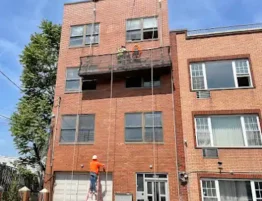
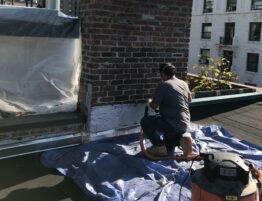
Parapet repairs often take place at roof level or along elevated exterior walls. Contractors must establish appropriate access arrangements and protect workers, residents, pedestrians and nearby property.
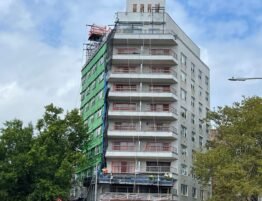
Depending on the project, preparation may involve scaffolding, roof access equipment, barriers and protective measures around the work area. Proper safety planning is particularly important when loose masonry could fall onto a sidewalk.
4. Masonry Repair and Replacement
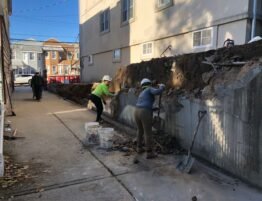
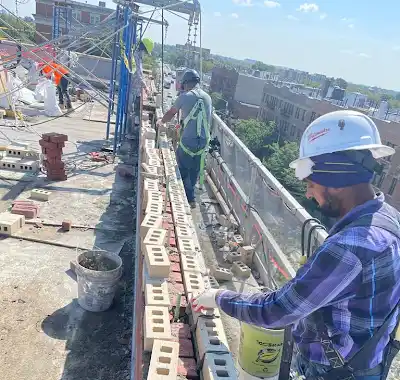
Once the work area is prepared, contractors remove deteriorated mortar and loose materials where necessary. Damaged bricks may be replaced and compatible mortar is applied to restore the joints.
If deterioration is extensive, partial rebuilding may be required. Appropriate materials and installation methods help maintain the wall’s strength and reduce the likelihood of recurring problems.
5. Waterproofing and Flashing Installation
After masonry repairs, contractors address components that direct water away from the wall. This may include repairing coping, installing suitable flashing and sealing vulnerable joints.
Effective parapet wall waterproofing helps limit moisture penetration and protect repaired masonry. Waterproofing should complement proper drainage and sound construction rather than conceal unresolved defects.
6. Final Inspection and Quality Checks
The final stage involves checking the repaired masonry, joints, coping and waterproofing details. Contractors should address remaining defects and explain any maintenance requirements.
Property owners should retain repair documentation, inspection records and photographs to support future maintenance planning.
What Factors Affect Parapet Wall Repair Costs in NYC?
Repair costs vary according to the size and height of the wall, the severity of damage, material requirements, labour and access equipment. Minor mortar repairs generally require less work than extensive brick replacement or rebuilding.
Hidden moisture damage, specialised safety arrangements and additional professional assessments may increase expenses. Property owners should compare written estimates based on the proposed work, materials and workmanship rather than price alone.
How Can Property Owners Prevent Future Parapet Wall Damage?
Regular maintenance helps extend the life of parapet walls and reduce expensive restoration work. Property owners should check for cracks, loose bricks, deteriorating mortar, damaged coping and recurring water stains.
Keeping drainage systems clear, maintaining flashing and addressing minor defects promptly can reduce moisture-related deterioration. NYC property owners should also confirm whether their building is subject to applicable parapet observation requirements and maintain the required documentation.
Conclusion
Professional parapet wall repairs involve more than fixing cracks or replacing loose bricks. Careful inspection, appropriate repair planning, safe site preparation, quality masonry work and effective waterproofing all contribute to a durable result.
Working with experienced parapet repair contractors NYC can help property owners address deterioration, protect exterior walls and reduce the risk of water damage. Regular inspections and timely maintenance are essential for preserving building conditions and maintaining safer surroundings for residents and pedestrians.