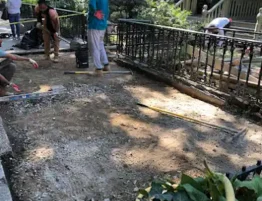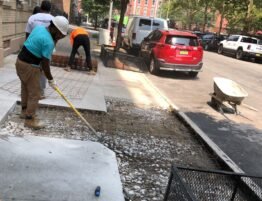
 A leaning retaining wall is more than just an eyesore; it can become a serious structural hazard, if left unaddressed. Whether you own a residential property, commercial building, or investment property, recognizing the warning signs early can help prevent expensive damage and protect your landscape. If you’re searching for retaining wall repair NYC, understanding why retaining walls fail and knowing your repair options is the first step toward protecting your investment
Retaining walls do a lot in the background, they support earth, help stop erosion, manage drainage, and keep sloped areas stable. Over time though, pressure from saturated soil, weak build practices, tree roots, freeze thaw cycles, and older materials can make walls start leaning, cracking, bulging, or even fall in. When you notice the retaining wall is failing, getting a timely professional review and repair can bring back strength, boost safety, and extend how long it lasts while avoiding a complete rebuild.
What Does a Leaning Retaining Wall Mean?
A retaining wall is usually engineered to resist the sideways push that the soil behind it places on the structure. When it starts leaning forward or outward, it is often an early clue that the wall is no longer coping with that pressure the way it should.
At first a modest lean might look harmless, but in many cases, it means the wall’s load-bearing ability has been compromised or quietly weakened. If you ignore it for long, the situation can turn into total wall failure, property damage, drainage issues, and real safety risks.
If Your Retaining Wall Is Failing: Warning Signs You Should Never Ignore
Retaining walls rarely fail overnight. Usually, you can see warning signals first before it turns into some major structural mess. Sometimes the timeline is slow, and other times it feels immediate, but the indicators tend to be there.
Common Signs of Retaining Wall Failure
- Wall leaning, or tilting forward
- Horizontal cracks or cracks that look like stair-steps
- Bulging sections that seem to push outward
- Bowed wall face
- Noticeable separation between wall blocks, or gaps opening
- Loose or displaced stones
- Soil washing out behind the wall, from erosion
- Water pooling near the wall
- Drainage pipes not working as they should
- Foundation movement nearby, in nearby ground or structures
- Uneven landscaping, where the yard starts looking irregular
- Sinkholes beginning to form around the wall
If you spot one or more of these concerns, schedule a professional inspection as soon as you reasonably can.
Why Is My Retaining Wall Leaning?
Several factors can contribute to keeping a retaining wall from being steady. In New York City, freeze-thaw cycles, heavy rainfall, and aging infrastructure often make the breakdown happen faster.
1. Poor drainage
Poor drainage is the main cause of retaining wall movement and failure.
When water starts collecting behind the wall, hydrostatic pressure goes up quite a bit. If there is no proper drainage approach like perforated piping, gravel backfill and weep holes, that pressure can push the wall outward over time.
You might notice things like,
- Wet soil
- Water stains
- Efflorescence
- Mud around the wall
- Water that stays put, or standing water
2. Hydrostatic Pressure
Hydrostatic pressure shows up when groundwater pools behind a wall after rainstorms or snowmelt. It is not always instant, it just builds as water keeps showing up and it gets trapped.
As the saturated soil gets heavier, it pushes back against the wall with more force.
Over time that steady pressure can lead to things like, leaning, bulging, cracking, and even structural movement.
3. Inadequate Foundation
Every retaining wall really depends on a base that is compacted the right way.
If the footing sinks in an uneven manner, then some parts of the wall can start moving on their own. After a while this can become obvious learning that people can see from a distance.
Typical drivers include
- Poor soil preparation
- Weak subgrade
- Improper excavation
- Settlement
4. Tree Root Pressure
When large trees are planted too close to a retaining wall, they can cause major underground pressure, you know, even if you do not notice anything at first.
As the roots grow:
- they push the wall sections outward
- they lift the foundations
- they separate the wall blocks
- they damage the drainage system
5. Weak construction habits
A lot of older retaining walls were put in place without real engineering oversight.
Typical issues are usually these ones:
- drainage pipes missing
- no gravel backfills
- not enough reinforcement
- shallow footing
- wrong wall height
- poor compaction
These construction defects will shorten the life span of the structure, over time.
6. Freeze – Thaw Cycles
In NYC, winter weather keeps freezing then thawing moisture that’s stuck in soil and masonry.
When water freezes it swells by roughly 9%, right.
That swelling slowly but steadily:
- widens cracks in place
- pushes walls outward, even if it looks small at first
- weakens mortar connections
- speeds up overall breakdown
7. Too Much Weight Up Above the Wall
When extra weight sits near the top edge of a retaining wall, it can raise the soil pressure.
Common cases are:
- driveways
- parking areas
- backyard pools
- storage sheds
- heavy landscaping beds
- construction equipment on site
If there are no engineering upgrades, these added loads can go beyond what the wall was meant to handle in the first place.
Types of Retaining Walls Found in NYC
Getting a feel for the wall type really helps figuring out what repair method will work best, not just fast but correct later on.
Concrete retaining walls
They are highly durable; however, they can crack, and they may experience settlement if the drainage isn’t doing its job right.
Repairs you usually see involve
- crack injection
- carbon fiber reinforcement
- wall anchors
- drainage improvements
Segmental block walls
These are popular for residential landscaping, people like the look and the practical design.
Typical concerns are
- block separation
- wall bulging
- settlement
- drainage failures
Stone retaining wall
Natural stone walls look great but they really need skilled masonry repairs, otherwise they can start coming apart sooner than you expect.
Common issues you might see, include:
- Loose stones
- mortar deterioration
- foundation movement
Timber retaining wall
Timber retaining walls tend to deteriorate over time, mainly from moisture exposure and insect activity that keeps going.
What repairs can involve, is usually:
- swapping out rotted timbers
- putting in new drainage
- rebuilding sections that got damaged
Risks of Ignoring a Leaning Retaining Wall
Many homeowners put off repairs because the wall still looks, more or less stable.
Unfortunately, retaining walls can go bad without much warning once their structural limits are reached, and then the whole situation seems more urgent than it did yesterday.
Possible results may include
- Complete wall collapses
- Soil erosion
- Landscape destruction
- Damage to sidewalks
- Foundation settlement
- Driveway damage
- Utility line damage
- Flooding
- Personal injury
- Lowered property value
For NYC property owners, ignored retaining walls can also bring liability problems if neighboring lots get affected in the process.
Professional Retaining Wall Inspection Process
Before recommending repairs, experienced contractors usually do a full inspection first, like really looking around not just a quick glance.
A typical check often involves a few steps, for example:
Visual Assessment
Inspectors check up on things such as:
- Lean angle
- Cracks
- Bulging
- Drainage
- Material condition
Foundation Evaluation
Professionals figure out whether the footing has shifted or ended up settled, based on what they see and measure.
Drainage Inspection
Drainage inspection stuff is checked for, like.
- Blockages
- Broken pipework
- Water buildup
- Soil saturation
Soil Conditions
Soil conditions, pretty much every time they behave different
Engineers look at
- Clay composition
- Soil compaction
- Moisture level
- Erosion
- Loading conditions
Structural stability analysis
They take measurements to see if the wall can be fixed, or if it actually has to be replaced.
Retaining Wall Repair NYC: Common Repair Solutions
Repair methods depend on how bad the damage is, plus what the wall is built from in the first place.
1. Drainage improvements
Usually the most lasting repair starts with sorting out water, because water likes to cause trouble slowly and then all at once.
Common solutions are:
- French drains
- Perforated drain pipes
- Gravel backfills
- Weep holes
- Surface grading
With good drainage in place, hydrostatic pressure drops a lot, which helps the wall hold steady.
2. Wall anchors
Steel wall anchors stabilize a leaning wall by tying it back to more reliable soil behind the structure.
Key advantages:
- Minimal excavation
- Quick installation
- Long-term stabilization
- Cost-effective repair
3. Helical Tiebacks
For walls that are severely leaning, helical anchors add more structural backup.
These steel shafts get installed deep into firm soil to resist the sidewise shifting, basically lateral movement.
4. Soil Reinforcement
Geogrid reinforcement improves soil stability and helps spread loads more evenly.
This method is often seen during major retaining wall rehabilitation projects.
5. Crack Repair
Concrete retaining walls can develop structural cracks over time.
Repair choices can include:
- Epoxy injection
- Polyurethane injection
- Concrete patching
- Masonry restoration
Crack repairs bring back strength while also limiting water seepage.
6. Rebuilding Damaged Sections
If only part of the wall has failed, contractors might rebuild the sections that are hurt, rather than swapping out the entire structure.
This method helps keep costs down while also holding on to the rest of the wall, which still looks serviceable.
7. Complete Wall Realignment
When a wall is leaning, but not fully compromised, crews can sometimes excavate around it, then straighten it, add reinforcement, and rebuild everything again. Usually they also improve drainage, plus they use engineered backfill to keep the base behaving properly.
In many cases this route is less expensive than a full replacement, as long as the foundation stays stable.
Retaining Wall Repair Cost in NYC
One of the first questions homeowners ask is, “How much does retaining wall repair cost?” and the answer depends on the wall size, its material, how easy it is to reach the area, the degree of damage that’s showing up, and whether repairs are enough or a full replacement is needed.
What drives retaining wall repair cost
- Wall height and also the wall length
- Wall material, like concrete, stone, block, timber, or brick
- How much the wall is leaning, or any signs of structural harm
- Whether better drainage is required
- Soil conditions under and around the wall
- How much excavation needs to be done
- Equipment access, meaning space for trucks, lifts, and tools
- Engineering review, inspections, or permit tasks
- Landscaping restoration after the work is finished
Retaining Wall Repair vs. Replacement
Not every busted retaining wall has to be taken down. In many situations, expert repairs can bring back its structural strength, and add a lot more time to how long it serves.
Repair is often the smarter choice when
- The base is still stable
- The tilt is slight to moderate
- The problems are mostly in one area
- The drainage problems can be addressed
- The structural cracks can be patched
- The wall has not moved much
Fixing the existing wall usually feels quicker, causes fewer interruptions, and ends up being more budget friendly.
Best Repair Solutions Based on Wall Material
Concrete Retaining Walls
Common problems include:
- structural cracking, which can happen sooner than expected
- spalling (a surface breakdown)
- water intrusion, leading to dampness behind the wall
- settlement, from soil movement or load changes
Recommended repairs:
- epoxy crack injection, done with care
- carbon fiber reinforcement for extra tensile capacity
- wall anchors to stabilize the wall mass
- drainage upgrades, such as better weeps or grading
- concrete restoration to rebuild worn areas
Segmental Block Walls
Typical issues include:
- block separation, where joints slowly open
- settlement, uneven ground pressure
- bulging that becomes more noticeable over time
- poor drainage, causing hydrostatic pressure
Repair methods:
- reset displaced blocks, and re-align them properly
- replace damaged units, rather than patching endlessly
- install geogrid reinforcement to improve restraint
- improve backfill and drainage, using a more permeable material
Natural Stone Barriers
Natural stone retaining walls bring an enduring look but they do need specialized masonry work and attention.
Typical fixes involve a few practical items such as,
- Repointing mortar seams
- Re-seating wobbling stones
- Rebuilding unstable parts
- Enhancing runoff control behind the barrier
Timber Retaining Walls
Timber retaining walls tend to last less time because wood is exposed to dampness, insects, and natural decay.
Repair choices commonly include,
- Swapping out rotten timber members
- Putting in updated drainage channels
- Strengthening structural posts
- Reconstructing deteriorated sections
Preventing Future Retaining Wall Problems
Preventive maintenance tends to be a whole lot cheaper than later, big structural repairs, and yeah the difference can be pretty dramatic.
Maintain proper drainage
Make sure that:
- Downspouts send water away from the wall
- Drain pipes stay clear, no clogging
- Surface grading slopes away from the wall
- Weep holes are kept open
Inspect the wall every year
Look for:
- Fresh cracks
- A lean, or shifting alignment
- Bulging in spots
- Water pooling
- Loose stones
- Soil erosion
Spotting problems early can stop minor concerns from turning into major structural failures, later on.
Avoid loading the wall too much
Do not stack heavy weight near the upper part of the retaining wall, for example,
- Heavy vehicles
- Large sheds
- Construction materials
- Pools
- Large retaining planters
Extra load adds more sideways force and may push past what the wall was made to handle.
Control tree growth
Big tree roots can move foundations around and press into retaining walls.
Plant trees at a safe distance and remove invasive roots early before they create structural damage.
Fix drainage issues right away
Pooled water is one of the major threats to the stability of a retaining wall. If you see water collecting close to the wall after rain, get the drainage system checked promptly.
Why Hiring a Professional Retaining Wall Contractor Matters?
Retaining wall repair is a structural project that needs specialized understanding of soil mechanics, drainage, engineering, and the on-site construction techniques.
A seasoned contractor is able to:
- Work out the true root cause of the failure.
- Put forward the most practical solution for cost.
- Make sure it follows the local building codes.
- Fit the right drainage systems.
- Employ engineered remediation approaches.
- Deliver durable results that are backed by warranties.
Trying to carry out major repairs without professional guidance can cause the same issues to keep happening, and that usually means higher total expenses.
Conclusion
A leaning retaining wall is a warning sign that should never be ignored, even if it seems minor. Whether the trouble comes from poor drainage, hydrostatic pressure, foundation settlement, aged materials, or tree root intrusion, acting early can stop expensive structural failures and help safeguard your property’s safety, plus its value.
Professional Retaining Wall Repair NYC services can accurately identify the underlying cause, and then suggest the most effective repair strategy to bring your wall back into good order. In a lot of situations, doing timely repairs is far more affordable than full replacement, even if the situation seems minor. If your retaining wall is showing signs of leaning, cracking, or unusual movement, scheduling a professional inspection now can save you both time and money, and reduce unnecessary stress, too. The big point is long term stability.