Water leaking through brick walls is a common problem for homeowners and commercial property owners throughout New York City. While brick is known for its durability and timeless appearance, it is not entirely waterproof. Over time, exposure to rain, snow, freeze-thaw cycles, and environmental pollutants can weaken the mortar joints between bricks, allowing moisture to penetrate the structure.
If you’ve noticed damp walls, peeling paint, mold growth, or water stains inside your property, the problem may not be the bricks themselves. In many cases, deteriorated mortar joints are the primary culprit. Fortunately, Brick pointing Queens services offer an effective and long-lasting solution to stop water intrusion and restore the integrity of your masonry.
In this guide, we’ll explain why water leaks occur, the warning signs to watch for, how brick pointing works, and why professional masonry repair is essential for protecting your property.
Why Is Water Leaking Through Your Brick Walls?
Brick walls are designed to withstand harsh weather conditions, but no masonry system lasts forever without maintenance. Several factors can contribute to water penetration through brick walls.
Deteriorated Mortar Joints
Mortar acts as the glue that binds bricks together. As mortar ages, it begins to crack, crumble, and erode. These damaged joints create pathways that allow water to seep behind the brickwork and enter your building.
When mortar deterioration is ignored, even a small amount of moisture infiltration can lead to significant structural damage over time.
Cracked Brickwork
Bricks themselves can develop cracks due to building settlement, temperature fluctuations, and impact damage. These cracks allow rainwater to enter the wall system and become trapped within the masonry.
Poor Drainage Systems
Faulty gutters, clogged downspouts, and improper grading around a property can direct excessive water toward brick walls. Continuous moisture exposure accelerates mortar deterioration and increases the risk of leaks.
Aging Masonry
Older buildings throughout Queens often have brickwork that has endured decades of weather exposure. As masonry materials age, they become more porous and susceptible to water penetration.
Warning Signs of Water Damage in Brick Walls
Recognizing the early signs of moisture intrusion can help prevent costly repairs later.
Interior Water Stains
Brown or yellow discoloration on walls and ceilings often indicates water penetration from the exterior masonry.
Peeling Paint and Wallpaper
Moisture trapped inside walls can cause paint to bubble, crack, and peel away from the surface.
Mold and Mildew Growth
Damp environments encourage mold growth, which can negatively affect indoor air quality and occupant health.
Efflorescence
White, powdery deposits on brick surfaces are caused by water carrying salts through the masonry. Efflorescence is often an early indicator of excessive moisture.
Crumbling Mortar
If mortar is falling out of the joints or appears cracked and deteriorated, water infiltration is likely occurring.
Musty Odors
Persistent damp smells inside a building may indicate hidden moisture behind walls.
Why Your Brick Walls Are Cracking
One of the most common questions property owners ask is, “Why are my brick walls cracking?”
Understanding the underlying causes can help determine the best repair solution.
Foundation Settlement
Buildings naturally settle over time. Uneven settlement places stress on masonry walls, leading to visible cracks in bricks and mortar.
Freeze-Thaw Cycles
Water enters small cracks in masonry and expands when it freezes. This repeated process gradually widens cracks and damages the surrounding materials.
Moisture Intrusion
Continuous exposure to water weakens mortar joints and causes masonry materials to deteriorate.
Structural Movement
Buildings experience natural expansion and contraction due to temperature changes. Over time, these movements can create cracks in brick walls.
Poor Previous Repairs
Improper repair techniques and incompatible mortar mixtures often fail prematurely and contribute to further damage.
Ignoring cracks can lead to more severe structural issues, making early intervention essential.
How Brick Pointing Stops Water Leaks
When water intrusion occurs due to deteriorated mortar joints, brick pointing is often the most effective solution.
What Is Brick Pointing?
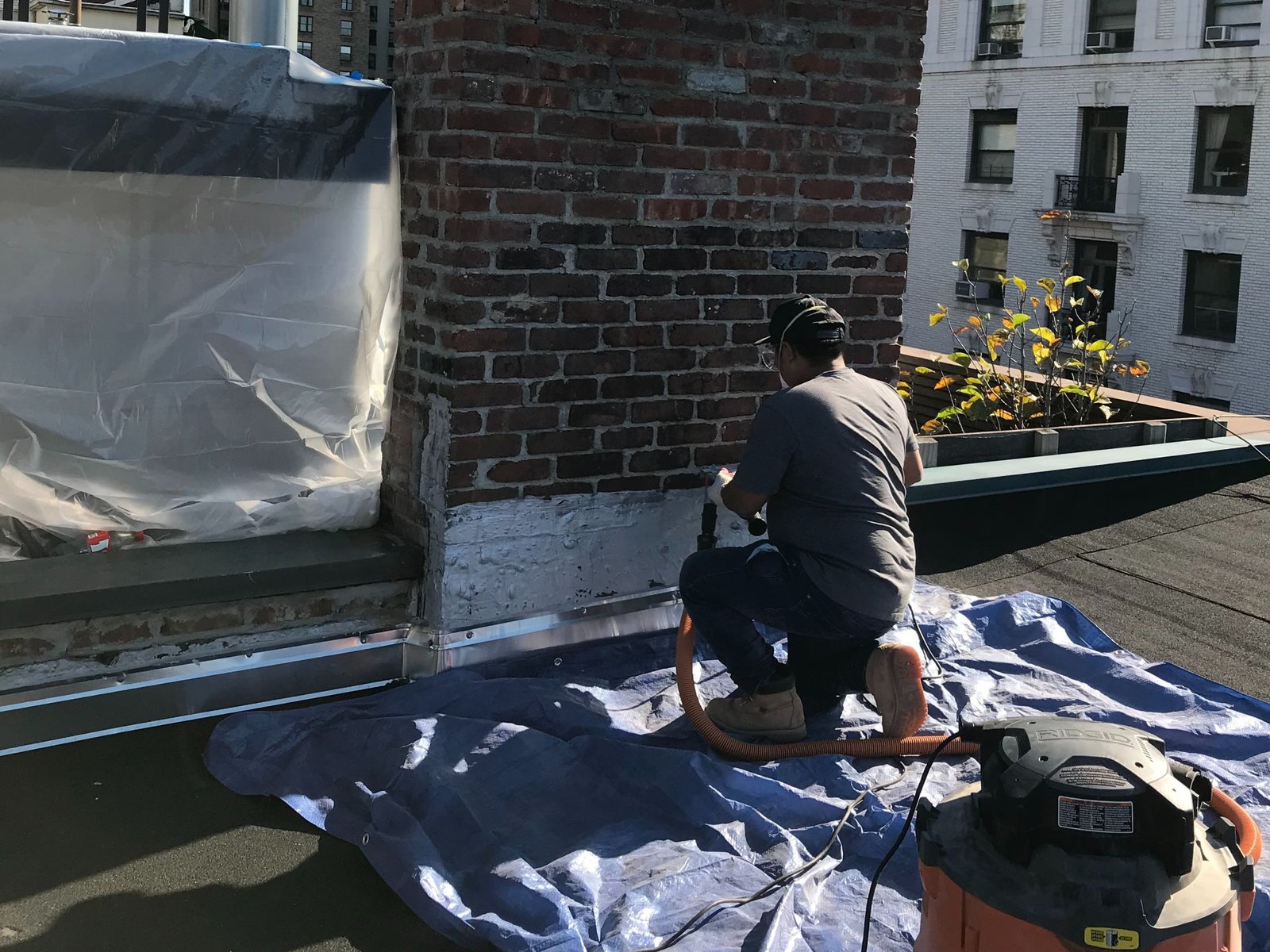
Brick pointing involves removing damaged mortar from between bricks and replacing it with fresh mortar that matches the existing masonry.
This process restores the wall’s ability to resist moisture and improves its overall appearance.
How Mortar Protects Masonry
Mortar serves several critical functions:
- Binds bricks together
- Prevents water penetration
- Accommodates building movement
- Distributes structural loads evenly
When mortar fails, the entire masonry system becomes vulnerable to water damage.
How Repointing Eliminates Moisture Entry Points
By replacing deteriorated mortar, professional masonry contractors effectively seal gaps and cracks that allow water to enter the wall system.
Fresh mortar creates a durable barrier that prevents future moisture infiltration.
Brick Pointing Enhances the Strength of Your Building
Beyond stopping water leaks, Brick pointing enhances the strength and longevity of masonry structures.
Improved Structural Stability
Fresh mortar restores the bond between bricks, helping walls withstand environmental stresses.
Better Load Distribution
Strong mortar joints distribute weight evenly throughout the masonry system, reducing strain on individual bricks.
Increased Resistance to Weather
Properly pointed masonry can better withstand rain, snow, wind, and freeze-thaw cycles.
Extended Building Lifespan
Routine maintenance and timely repointing can add decades to the life of a brick structure.
Reduced Future Repair Costs
Addressing mortar deterioration early helps prevent more extensive and expensive structural repairs later.
Enhanced Property Value
Well-maintained masonry improves curb appeal and can increase the overall value of a property.
The Professional Brick Pointing Process
Professional brick pointing requires skill, precision, and specialized tools.
Step 1: Comprehensive Inspection
Masonry experts assess the condition of the brickwork, identify damaged mortar joints, and locate sources of water intrusion.
Step 2: Mortar Removal
Deteriorated mortar is carefully removed without damaging surrounding bricks.
Step 3: Joint Cleaning
Dust, debris, and loose materials are cleaned from the joints to ensure proper adhesion of new mortar.
Step 4: Mortar Matching
Professionals select a mortar mixture that matches the original color, texture, and strength requirements of the building.
Step 5: Repointing
Fresh mortar is applied into the prepared joints and compacted to create a durable bond.
Step 6: Finishing and Tooling
The mortar joints are shaped to match the existing appearance of the masonry.
Step 7: Final Inspection
The completed work is inspected to ensure quality, durability, and proper water resistance.
Brick Pointing Queens: Why Local Expertise Matters
Choosing experienced Brick Pointing Queens professionals provides several advantages.
Knowledge of NYC Climate Conditions
Queens experiences heavy rain, snow, humidity, and freezing temperatures. Local contractors understand how these conditions affect masonry structures.
Experience With Historic Buildings
Many properties in Queens feature older brick construction that requires specialized restoration techniques.
Proper Material Selection
Using the correct mortar mixture is essential for long-term durability and compatibility with existing masonry.
Compliance With Local Building Regulations
Professional contractors ensure repairs meet all applicable building codes and industry standards.
Brick Pointing vs. Waterproof Coatings
Many property owners consider applying waterproof coatings when dealing with water leaks. While coatings can provide temporary protection, they do not address the root cause of masonry deterioration.
Waterproof Coatings
- Temporary solution
- Covers symptoms rather than causes
- May trap moisture inside walls
Brick Pointing
- Repairs damaged mortar joints
- Stops water at the source
- Improves structural integrity
- Provides long-term protection
For lasting results, repointing is often the preferred solution when deteriorated mortar is causing water intrusion.
When Stucco Repair Is Needed Instead
Some buildings feature stucco exterior finishes rather than exposed brickwork. In these cases, water infiltration may require stucco restoration.
Process of Professional Stucco Repair
Understanding the Process of Professional Stucco Repair helps property owners identify when specialized repairs are necessary.
Inspection and Assessment
Professionals evaluate the condition of the stucco and identify damaged areas.
Removal of Damaged Stucco
Cracked, loose, or deteriorated stucco sections are removed.
Surface Preparation
The underlying substrate is cleaned and prepared for new stucco application.
Application of New Stucco
Fresh stucco is applied in multiple layers to ensure durability and proper adhesion.
Texture Matching
Contractors match the existing finish to maintain a seamless appearance.
Protective Finishing
Water-resistant coatings may be applied to improve long-term performance.
How to Prevent Future Water Leaks
Preventive maintenance is essential for protecting masonry structures.
Schedule Regular Inspections
Annual inspections can identify small issues before they become major problems.
Repair Cracks Promptly
Addressing minor cracks early helps prevent water intrusion.
Maintain Gutters and Downspouts
Proper drainage reduces moisture exposure around masonry walls.
Monitor Mortar Conditions
Regularly inspect mortar joints for signs of deterioration.
Invest in Professional Masonry Maintenance
Routine maintenance extends the life of brick and stucco systems.
Why DIY Masonry Repairs Often Fail
While DIY repairs may seem cost-effective, they often create additional problems.
Incorrect Mortar Mixes
Using the wrong mortar can damage bricks and accelerate deterioration.
Hidden Structural Issues
Untrained individuals may overlook underlying problems contributing to water leaks.
Incomplete Repairs
Surface-level fixes rarely address the root cause of moisture intrusion.
Safety Concerns
Masonry repairs often require specialized equipment and working at heights.
Professional repairs deliver better results and provide long-term protection.
Why Choose Professional Brick Pointing Services?
Professional masonry contractors bring the expertise, tools, and materials needed to perform high-quality repairs.
Benefits include:
- Accurate diagnosis of water intrusion issues
- Long-lasting workmanship
- Proper mortar matching
- Improved structural stability
- Enhanced curb appeal
- Increased property value
Whether you own a residential, commercial, or historic property, professional brick pointing is one of the most effective ways to preserve your investment.
Conclusion
Water leaking through brick walls should never be ignored. What may begin as a minor moisture issue can quickly develop into mold growth, structural deterioration, and costly repairs. In many cases, deteriorated mortar joints are the primary cause of water intrusion, making Brick Pointing Queens services the ideal solution.
By restoring damaged mortar, brick pointing not only stops water penetration but also strengthens the structure, improves appearance, and extends the lifespan of your masonry. If you’ve noticed cracks, water stains, crumbling mortar, or other signs of moisture damage, now is the time to act.
Investing in professional brick pointing and masonry repair today can save you thousands of dollars in future restoration costs while keeping your property safe, dry, and structurally sound for years to come.