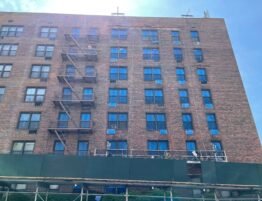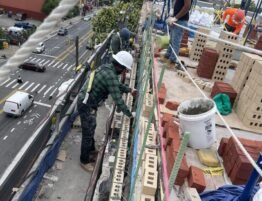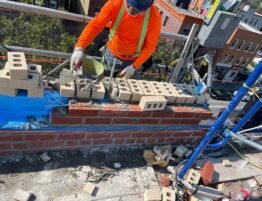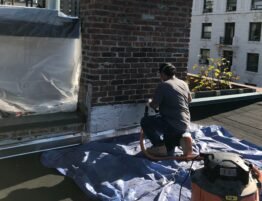
 When it comes to construction, brick walls have always been perceived as strong, enduring, and elegant. Nevertheless, it is a common occurrence among all constructions and even well-coordinated brick works to pull cracks after some bearing life. Most of the time, the smaller cracks provide no causes for concern as they do not cause any inconvenience. However, these can serve as an indication of a problem which if ignored, may aggravate in the future.
Awareness of the different factors that lead to brick wall cracks should be embraced by all the individuals who own or manage buildings. Cracks may occur as a result of natural wear and tear, environmental pressures or even a shift in the structure – factors which must not be taken lightly as they may lead to further problems such as leakage, fungi development, and even structural collapse.
Is there any hope? There is, and it has been tried, tested and proven to be effective; it is called brick pointing. Not only does this work on the most visible parts, but it takes care of the whole wall as well. Even an Enormous Hollywood Star may find this unbeatable. brick pointing Queens Enhances the Strength of your walls such that it will not pose any future problems. This is because, when provided by expert Insured Building Repair Contractors, the projects remain safe, reliable and valuable for many years.
What Causes Brick Walls to Crack? (Detailed Breakdown)
Cracks do not show up just like that, but they evolve due to constant stress loads imposed on your brickwork. Let’s elaborate.
1. Natural Settling and Foundation Movement
In the natural course of time, every building settles downwards; as the underlying soil moves, so too does the structure. This settlement process causes small cracks to develop in masonry structures.
Two main types of settlement exist:
- Uniform settlement: Arguably harmless
- Differential settlement: Stresses varied → cracking
Foundation movement induced cracking may show in:
- Door or window areas
- Zipping or stair-step in mortar joints
While some settling is considered normal, settlement in excess should be looked into by a professional.
2. Water Penetration and Moisture Damage
Out of all the forces that interact with masonry, water is the worst. When moisture penetrates brickwork, energy is absorbed by the mortar, resulting in its local failure and rapid destruction.
Main manifestations of water-induced damages include:
- Mortar erosion
- Brick expansion
- Internal wall damage
- Mold and mildew growth
The problem is exacerbated in regions with lower temperatures due to the freeze-thaw cycle. When water freezes, it bends outwards from the insides, then crashes through as it attempts to expand further.
This is one of the primary brick wall cracks causes and the reason why the timely fixing of any damage is crucial.
3. Thermal Expansion and Contraction
Brick masonry and concrete constantly experience thermal expansion or contraction due to fluctuation in temperatures. Through time, as these motions get into repetition, they will inevitably form this stress inside the wall.
What happens:
- Heat causes expansion
- Cold causes contraction
- Repeated cycles lead to fatigue
Failure to eliminate this stress ultimately leads to visible damage in the form of cracks or weakening of the structure.
4. Poor Workmanship or Low-Quality Materials
How long masonry remains standing depends largely on the materials used and how much care has been put into the building.
Common problems include:
- Mortar that might be weak or bad for some reason.
- Joint width not correct in a brick wall.
- Bonding between the bricks lacking.
If the mortar fails before its predetermined life expectancy and weather-tightness, gaps are made everywhere, through which water and air can pass, causing faster damage.
5. Structural Stress and Overloading
Heavy loads, nearby construction, or changes in structural design can create stress on brick walls.
Signs of structural stress:
- Large, widening cracks
- Horizontal cracks
- Bulging walls
These issues often require immediate inspection by professionals.
6. Vegetation and External Pressure
Tree roots, vines, and nearby landscaping can cause pressure against walls, and over time, this pressure leads to cracks and displacement of bricks.
Signs Your Brick Wall Needs Immediate Repair
The need for building repairs could be avoided with a structure’s early detection. Therefore, we have identified the following key warning signs:
- Cracks in mortar joints or bricks
- Missing or pulverizing mortar
- Damp patches or water stains
- Loose, shifting, or bulging bricks
- White powder (efflorescence) on walls
- The high humidity level indoors
If these signs resonate, it is time to embark on cracked brick wall repair before further damage occurs.
What Is Brick Pointing?
Brick pointing (or repointing) is a specialized masonry repair process that restores deteriorated mortar joints.
Step-by-Step Process:
- Inspection & Assessment – Experts evaluate the extent of damage
- Removal of Old Mortar – Damaged mortar is carefully removed
- Cleaning Joints – Dust and debris are cleared
- Application of New Mortar – Fresh mortar is applied and shaped
- Finishing & Curing – Joints are smoothed for durability and aesthetics
This process not only repairs cracks but also strengthens the entire wall system.
Urban property owners seeking remedial construction are better served by Brick Pointing Queens or local contractors because they understand the terrain and offer a quick response. Construction Companies that are Insured to Conduct Building Repairs in Any Way are the optimal choice for safety and the quality of works.
How Brick Pointing Fixes Cracks
1. Seals Entry Points for Water
Cracks on the walls allow water to seep in causing internal damage. The brick pointing system causes these cracks to be sealed and thus restricts water entry.
2. Reinforces Structural Integrity
One of the supreme benefits from Brick Pointing is to improve your wall; since new mortar repairs the bond with the bricks, the building becomes extremely reinforced.
3. Prevents Crack Expansion
Repointing will lessen the stress on neighbouring areas, reducing the expansion of cracks.
4. Restores Visual Appeal
Fresh mortar together with a clean new look on your walls, hence clearly an increase in property value twofold.
5. Increases Lifespan of Brickwork
If maintained properly, brickwork will last decades. Regular maintenance like brick pointing services near me will ensure long-lasting durability.
Brick Pointing vs Brick Repair – Key Differences
Understanding the difference helps you choose the right solution.
| Feature | Brick Pointing | Brick Repair |
|---|---|---|
| Focus | Mortar joints | Damaged bricks |
| Purpose | Prevent deterioration | Replace bricks |
| Cost | Affordable | Expensive |
| Time | Faster | Longer |
If the issue lies in mortar joints, repointing brickwork is the most efficient solution.
Why Choose Brick Pointing Queens Services?
Hiring local professionals offers several advantages:
- Knowledge of local climate conditions
- Faster response times
- Customized solutions
- Experience with local building structures
Choosing Brick Pointing Queens experts ensures high-quality results tailored to your area.
Why Hiring Insured Building Repair Contractors Matters
It is undoubtedly clear with insured building repair contractors in place you have:
- Protection from liability
- Workmanship Guarantee
- Adequacy adhesion to safety standard regulations
- Performance professionalism
This way, your development is hazard-free and professionally handled.
The Hidden Cost of Ignoring Brick Wall Cracks
Ignoring cracks can lead to:
- Structural instability
- Water damage
- Mold growth
- Increased repair costs
A small crack today can become a major repair tomorrow. Investing in cracked brick wall repair early saves money and prevents bigger issues.
When Should You Call a Professional?
You should contact experts if you notice:
- Cracks wider than 3mm
- Rapidly spreading cracks
- Water leakage
- Bulging or leaning walls
Searching for masonry repair contractors or brick pointing services near me can help you find trusted professionals quickly.
What is the main cause of cracks in brick walls?
Moisture and thermal changes result mainly in cracking of the brick walls. Mortar, as a material, tends to become weaker with time, allowing for sturdy forces of tension to grow visible cracks. Repair is required to restore strength and ensure its protection in the long run.
Final Thoughts: Protect Your Property Before It’s Too Late
Cracks do more than tarnish a brick wall’s appearance; they serve as a warning that all is not well with the structure. Knowing what brick wall cracks causes helps you prevent repairs that come with heavy costs.
The best technique is brick pointing, which helps repair the damage and reinforce bricks while maintaining them in good shape. Also, be reminded that brick pointing enhances the strength of a Wall without Compromising the Aesthetic of the Structure.
Prevent those fine lines from turning into major construction defects. Insured Building Repair Contractors and native experts in Brick Pointing Queens can be counted upon to provide the best, durable results.
👉 Act today—because protecting your home starts with fixing the smallest cracks.